PRODUCT & PROCESS
POLYURETHANE MOULDINGS

Moulded in Premier Coat
Polyurethane Foam
FOAMCORE MOULDINGS

Second Coat
🔸 Basecoat System – Fine-Flexible Cement-Polymer with Mesh
Our proprietary basecoat system combines:
High-performance acrylic polymers for flexibility and adhesion
Cement and engineered fillers for strength and durability
Glass fiber reinforcing mesh, embedded during coating to resist cracking and impact
Factory-controlled application over CNC-cut EPS cores
Key Features:
Crack-resistant even on long spans or curved profiles
Can bend over a ¼" mandrel without breaking
Excellent adhesion to cement, masonry, stucco, and exterior sheathing
Resists freeze/thaw, UV, salt spray, and moisture ingress
Compatible with coatings, paints, or textured finishes
Fire Performance:
When combined with our basecoat, Foamcore mouldings are designed to help meet:
ASTM E84 Class A or B ratings (upon request)
UL 263 compliance for moulding assemblies
Flame Spread ≤ 25 (Class A)
Smoke Development ≤ 110
CNC cut EPS Type I/II EPS
Property Type I/II EPS
Density 1.0 lb/ft³(16kg/m³)
R-Value @ 75°F 3.9
Compressive Strength(10%) 12.5 psi
Flexural Strength 27.8 psi
Water Absorption 3.8%
Vapor Permeance 4.95perms
Dimensional Stability <1.5%Fire (LOI) >24%
Fiberglass Mesh
🧵 Foamcore Exclusive Black Fiberglass mesh 2.6 oz/yd² (88 g/m²)
This mesh is part of the ADFORS Architectural Shapes line, specifically designed for use in foam and composite mouldings.
Key Specs:
Weight: 2.6 oz/yd² (approx. 88 g/m²)
Thickness
ASTM D-1777
0.015 (per inch) / 0.380 (per mm)
Minimum Tensile
ASTM D-5035
Warp: 130 (lb/in) / 580 (N/2.54cm)
Weft: 30 (lb/in) / 150 (N/2.54cm)
Construction: Hybrid blend of polyester + fiberglass
Alkali-resistant coating for long-term durability in cementitious environments
Flexible, easily contours over complex shapes without wrinkling or cracking
First Coat
🔸 Basecoat System – Course-Flexible Cement-Polymer with Mesh
Our proprietary basecoat system combines:
High-performance acrylic polymers for flexibility and adhesion
Cement and engineered fillers for strength and durability
Glass fiber reinforcing mesh, embedded during coating to resist cracking and impact
Factory-controlled application over CNC-cut EPS cores
Key Features:
Crack-resistant even on long spans or curved profiles
Can bend over a ¼" mandrel without breaking
Excellent adhesion to cement, masonry, stucco, and exterior sheathing
Resists freeze/thaw, UV, salt spray, and moisture ingress
Compatible with coatings, paints, or textured finishes
Fire Performance:
When combined with our basecoat, Foamcore mouldings are designed to help meet:
ASTM E84 Class A or B ratings (upon request)
UL 263 compliance for moulding assemblies
Flame Spread ≤ 25 (Class A)
Smoke Development ≤ 110
CONTEMPORARY
BRICK
WOOD

CONTEMPORARY DESIGN WALL PANELS

FAUX BRICK WALL PANELS

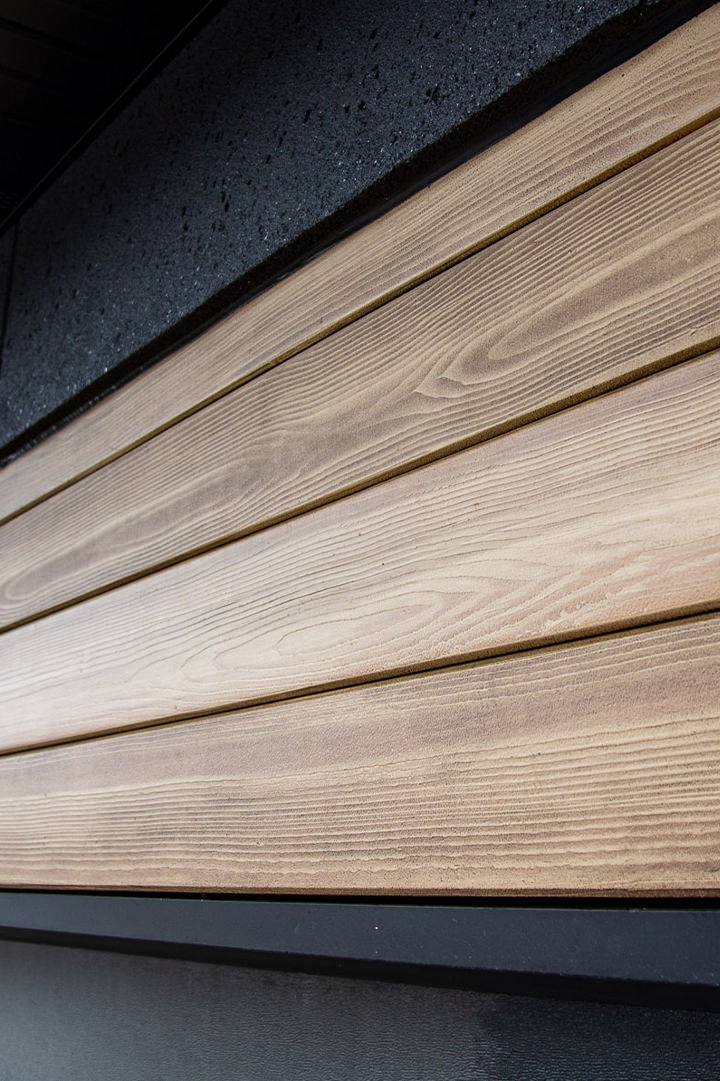
FAUX WOOD SLATS
FAQ’s
What is the difference between Polyurethane Mouldings and Foamcore Plaster Coated?
Polyurethane Mouldings
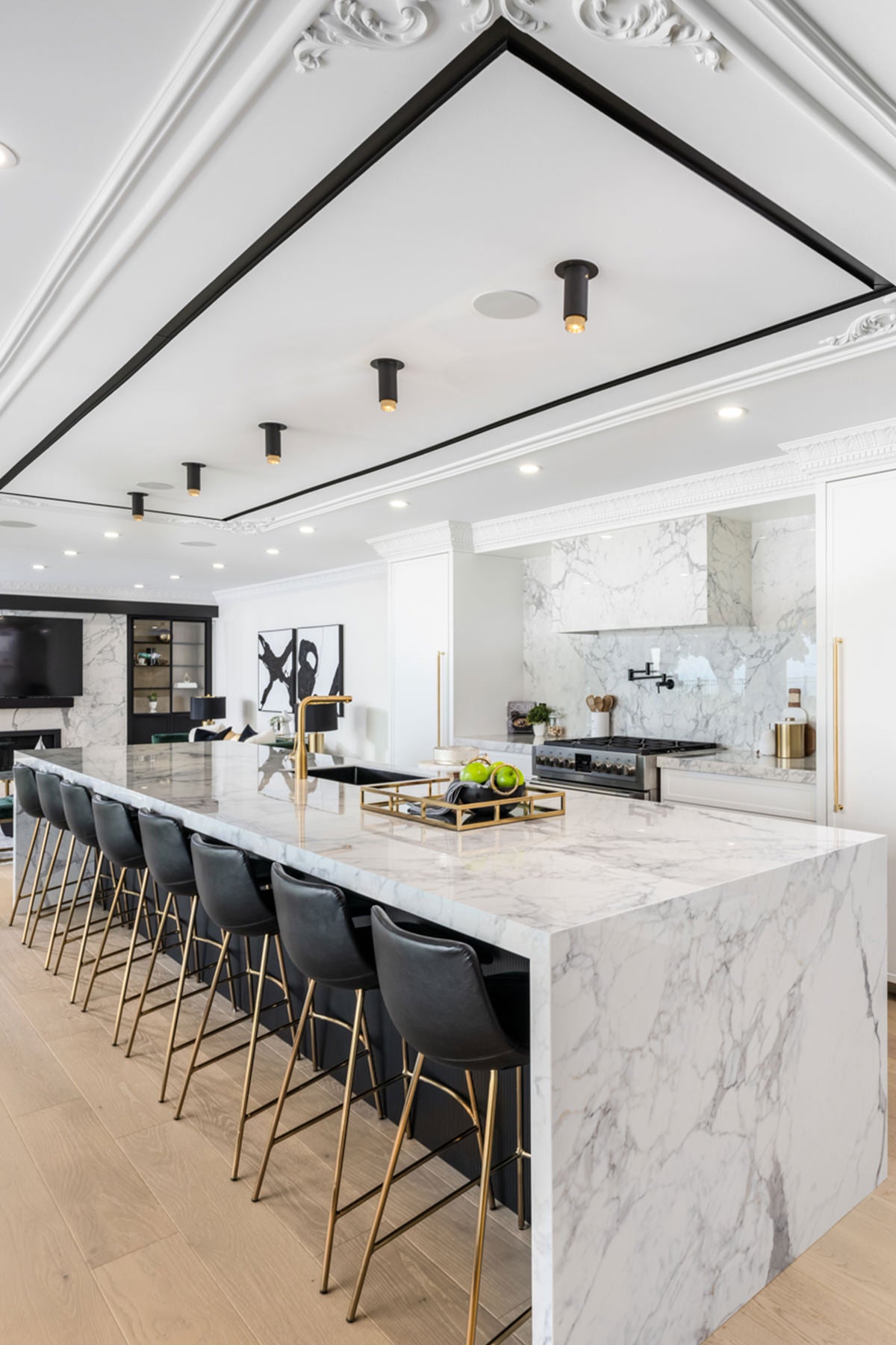
Polyurethane Mouldings are made from high-density polyurethane, a type of plastic known for being lightweight, durable, and resistant to moisture, insects, and rotting. These mouldings are often pre-primed and ready for painting, featuring a smooth surface finish. They are ideal for interior applications such as crown mouldings, baseboards, ceiling medallions, and decorative trim. Due to their moisture resistance, they can also be used in areas with high humidity like bathrooms and kitchens. The installation process is straightforward, requiring basic tools, and the mouldings offer the possibility for detailed and intricate designs with minimal maintenance.
Foamcore Plaster Coated Mouldings
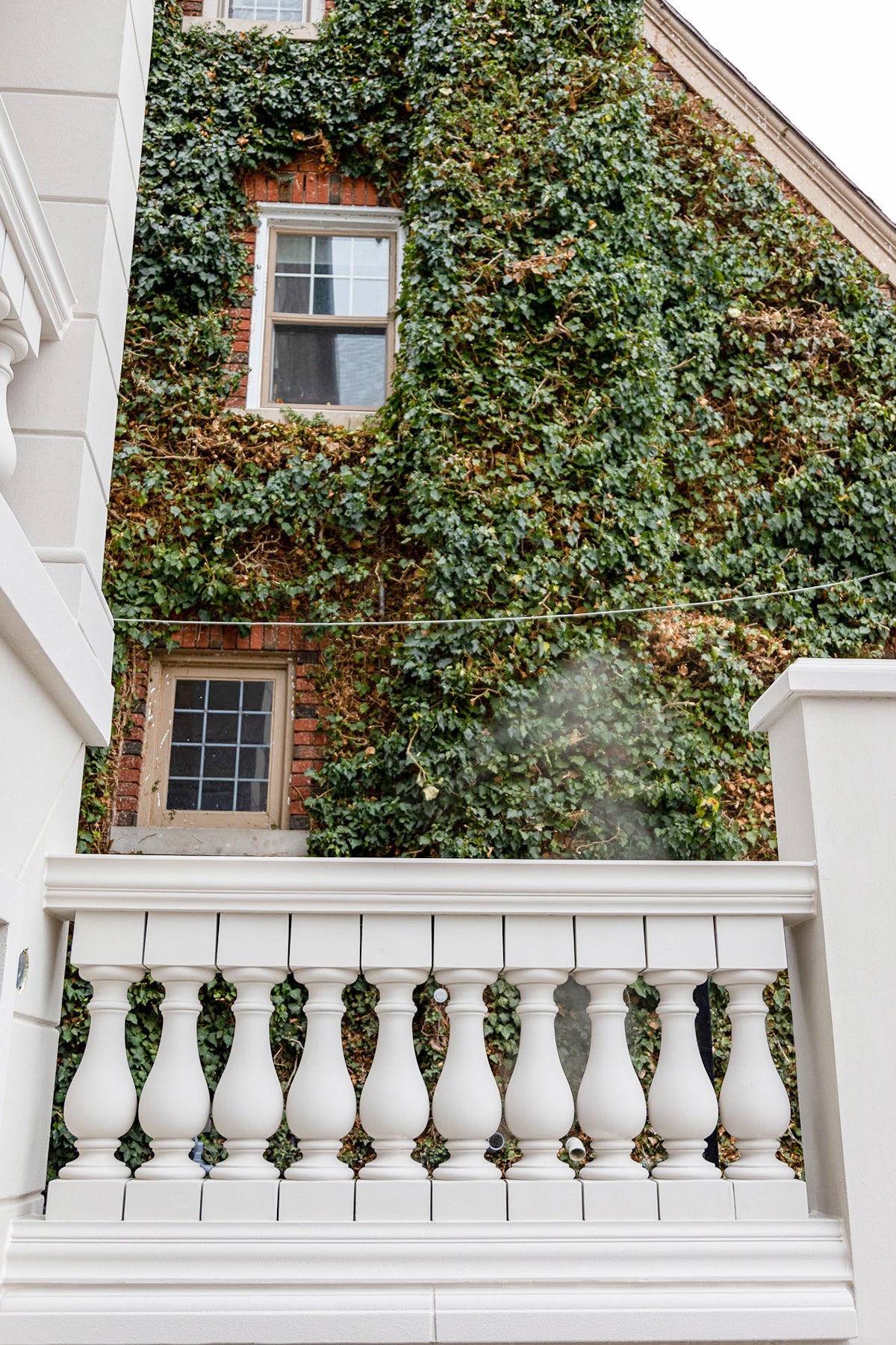
Foamcore Plaster Coated Mouldings have a core made from high-density foam (EPS or polyurethane) and are coated with a layer of plaster or cement. The first coat is a coarse, flexible cement coating that provides durability, while the second coat is a fine, flexible cement coating, resulting in a paint-ready surface. These mouldings are suitable for both interior and exterior applications and are commonly used for architectural elements like exterior cornices, window and door trims, and other decorative features. They are lightweight and easy to handle, which reduces installation time and costs. The plaster coating offers a hard, durable surface that can withstand outdoor elements, making these mouldings versatile in design and finish, capable of mimicking traditional plaster or stone at a lower cost.
Can Foamcore Mouldings be used outdoors?
Yes, Foamcore Mouldings are suitable for outdoor use. They are designed to withstand various weather conditions, including rain, snow, and UV exposure, without warping, rotting, or fading.
Are Foamcore Mouldings easy to install?
- Foamcore Mouldings are designed for easy installation. They can be cut, shaped, and attached to surfaces using standard woodworking tools and adhesive. Their lightweight nature also makes handling and positioning easier during installation.
Can Foamcore Mouldings be painted or stained?
- Yes, Foamcore Mouldings can be painted or stained to match your desired color scheme. They come primed and ready for finishing, allowing for easy customization to fit your design needs.
How do I maintain Foamcore Mouldings?
- Foamcore Mouldings require minimal maintenance. They can be cleaned with a damp cloth to remove dust or dirt. Unlike traditional wood mouldings, they do not need regular sealing or protection from moisture.